
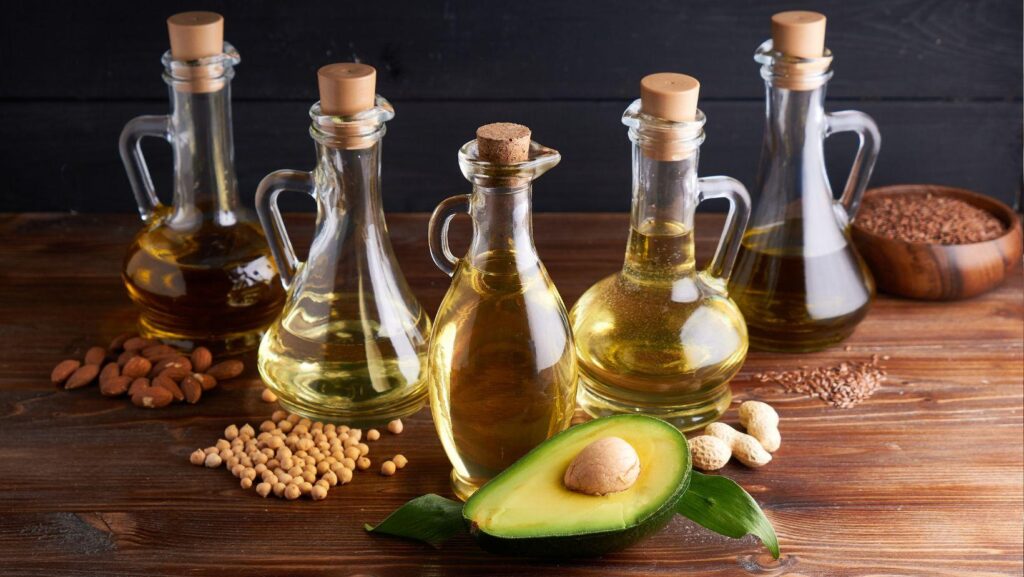
Natural oils are sold on purity and performance, and the packaging is a visible part of that promise. Even a strong formula can disappoint if the bottle leaks, the closure does not fit properly, or the contents lose aroma and freshness too quickly. Many brands choose glass bottles because glass is inert, has a premium appearance, and is suitable for food, wellness, and cosmetic applications.
Below are practical checkpoints for choosing protective glass packaging before placing a bulk order.
Why Oil Packaging Fails After Launch
Most packaging problems occur during shipping and everyday use, not during sample testing. Common failure points include oxidation caused by exposure to light and air, leakage during transport due to poor cap fit or the wrong liner, and messy dispensing that frustrates customers.
A concrete example is a small DTC skincare brand shipping facial oil during the summer. If the cap liner is not properly matched to the neck finish, bottles may start to sweat after several days in warm delivery vans, causing stains in outer cartons and resulting in returns. The solution is usually a better match between the bottle, neck finish, and closure.
Protecting Sensitive Oils with Oil Glass
Many natural oils are sensitive to light and repeated exposure to oxygen. That is why brands often choose dark, protective glass for olive oil, seed oils, and blends containing essential oils. Beyond appearance, the aim is to limit external factors that accelerate quality loss and shorten shelf life.
Compare suppliers on consistent dimensions, delivery reliability, and clear closure compatibility. Brands assessing premium protective bottles for an olive oil line or botanical serum can find oil glass solutions specifically designed for oil applications.
Neck Finish and Closure Fit
The neck finish is the standardized connection between the bottle and the cap. If the wrong option is chosen, micro-leakage can occur, tamper evidence may not function correctly, or a closure may work during manual filling but fail on a production line.
Before ordering, confirm the neck finish specification, closure and liner type, and intended use, such as pouring, drop dosing, or long-term storage. When in doubt, request samples and run a simple stress test. Fill the bottle, close it, turn it upside down for 24 hours, and then test a small batch in a realistic shipping environment.
When Apothecary Jars Are a Better Fit
Not every oil-based product belongs in a tall bottle. Balms, salves, oil scrubs, and infused blends often require wide access for fingers, spatulas, or scoops. In those cases, jars perform better for usability and presentation.
For brands building a cohesive product line, jars also create a premium shelf appearance, especially in wellness and natural skincare. For oil-based formulas that benefit from a wide opening and a classic look, apothecary jars are a strong option.
Practical Selection Checklist
Key Takeaway
Premium glass packaging is not only about a luxury appearance. For natural oils, it helps protect flavor and active ingredients, supports consistent dispensing, and reduces avoidable returns. Choose the right format, define the required level of light protection, and validate the neck finish and closure before scaling up.