
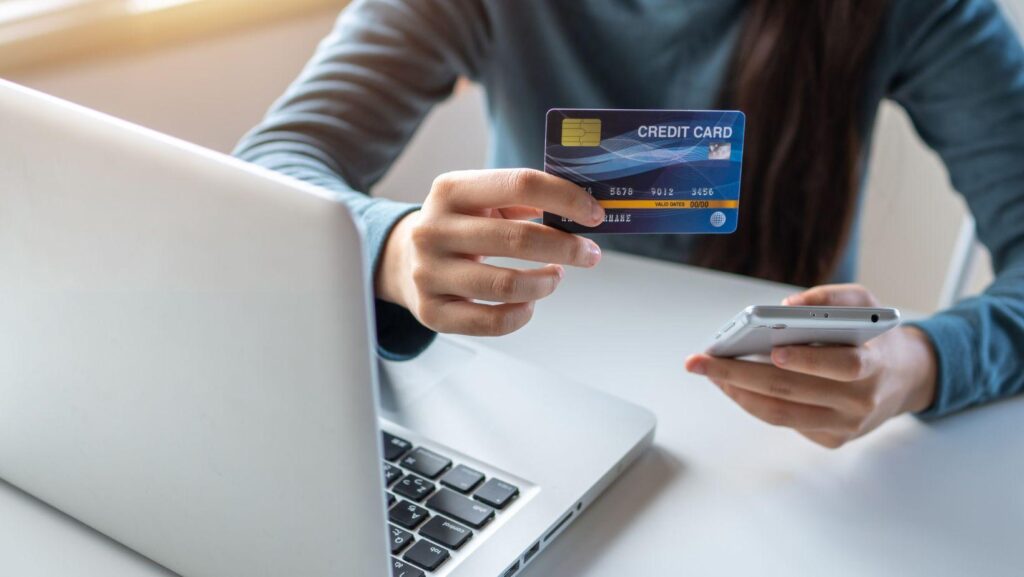
Last month I bought a pair of earbuds, renewed two app subscriptions and topped up a game account. Three purchases, three different payment tools, and one very confused banking app. With 2027 close enough to plan for, that small mess is the reason this comparison exists.
Year-end is when most of us reset budgets and finally cancel the subscriptions we forgot about. It's also the best moment to decide how you'll pay for things next year. A plastic prepaid card, a disposable virtual number and a tap-to-pay wallet all spend money the same way at the checkout, but they behave very differently when something goes wrong. Fees differ. Protections differ. Control differs most of all.
So here is the head-to-head, built around what tech buyers will actually do through 2027: buy gadgets, pay for apps, and wrangle subscriptions that multiply when nobody's watching.
The three contenders
Physical prepaid cards are the old reliable. You load money, you spend that money, and the card stops when the balance hits zero. No credit line, no overdraft, no surprise.
Virtual cards are digital-only numbers. Many can be generated per merchant or per purchase, then thrown away. Think of them as burner phones for your finances.
App-based wallets sit on top of whatever funding source you link. They're the most convenient of the three. They are also the most dependent on the card sitting underneath.
Where virtual cards win
Security on single purchases. A disposable number that works once is nearly useless to a thief. If a small retailer's database leaks, your real details were never in it. The catch is that hotel bookings and rentals can get awkward when the number on file doesn't match the one you present at the desk.
Virtual cards also win on speed. You can create one in seconds, which matters when a flash sale is ticking down.
They lose on tangibility. Some stores still reject them. Returns can get messy, because a refund to a deleted number has to be routed somewhere. Not a dealbreaker. Just friction you should expect to carry into 2027.
Where physical prepaid still earns its place
Here is the part that surprises people: the humble prepaid card keeps one advantage nobody has fully matched. The balance is a hard ceiling.
A virtual card tied to a bank account can still drain that account. A wallet linked to a credit card can still run up a bill. A prepaid card cannot spend what it doesn't hold. For parents buying gaming credit, for freelancers separating a single client budget, or for anyone who can't trust their own late-night impulse buys, that ceiling is the feature.
There's a protection story too. Registered prepaid cards can carry error-resolution rights, which the older anonymous cards didn't. Check that your card is registered before you lean on it. An unregistered card can leave you with far less recourse than you'd expect.
Fees are the weak spot. Monthly charges, reload fees and inactivity penalties add up fast on cheap cards. Read the fee table before you buy, not after.
Spending limits and privacy: the budgeting angle
This is where the three tools really split.
A virtual card gives you privacy from the merchant. A prepaid card gives you privacy from yourself. That sounds like a joke, but it's the whole point of budgeting tools: they work because they make overspending physically difficult, not because they ask nicely.
Load $50 and you can spend $50. Not $51. That’s a very different experience from watching a bank balance shrink in the background.
That simplicity is why prepaid Visa remains a popular deposit method at online casinos, especially in Canada, where players can choose from a wide spread of casino sites, from Ontario’s regulated market to international brands. Topping up a casino account with a prepaid card is quick, keeps your main bank details private, and works for everything from slots and live dealer blackjack to roulette and welcome bonus offers. For players who want to see which sites support the method, the list of casinos that accept prepaid visa cards is a practical place to start, since it covers the casinos where a prepaid card works as a straightforward way to fund play.
The same logic applies far beyond that one category. Streaming bundles, game stores, cloud storage upgrades, mobile app subscriptions: any recurring or impulse-prone spend benefits from a ceiling you can't argue your way past.
The fraud picture heading into 2027
The fraud tools around virtual cards are getting serious attention. Visa recently debuted tools aimed at keeping fraud out of virtual commercial card payments, and the direction is clear: more verification, more transaction-level checks, fewer open doors.
Consumer products tend to follow business-grade ones by a year or two. So the protections on corporate virtual cards today are a fair bet to reach personal wallets during 2027. Treat that as an expectation, not a promise, and don't pick a card based on features that haven't shipped.
Prepaid cards sit in a quieter corner of that story. They have fewer bells and whistles, but fewer failure modes too. There's no linked bank account to attack and no credit line to exhaust.
Head-to-head: which one for which job
| Use case | Best pick | Why | |—|—|—| | One-off purchase from an unknown shop | Virtual card | Disposable number limits exposure | | Monthly subscriptions you might forget | Virtual card with a merchant lock | Cancel by deleting the number | | Kids' game credit or gift budgets | Physical prepaid | Hard cap, no bank link | | Travel and hotel holds | App wallet on a real card | Numbers match, deposits clear | | Strict monthly entertainment budget | Prepaid | The balance is the budget | | Everyday tap-to-pay | App wallet | Fastest, most accepted |
No single winner. Anyone who tells you otherwise is selling a card.
Costs and the crypto angle
Stablecoin-linked cards are the newest wrinkle, and I'd expect them to dominate more fintech conversations in 2027. Big networks are racing to connect crypto balances to everyday spending, which blurs the line between a prepaid card and a wallet. It's interesting, and it's early. Volatile assets and a hard-capped card are different philosophies, and mixing them can cost you if the value swings between loading and spending.
If you want the cap without the volatility, a plain fiat prepaid card is still the calmer choice.
Your 2027 setup, without overthinking it
Start with the risk you actually face. Worried about leaks from small retailers? Go virtual. Worried about your own spending? Go prepaid. Want pure convenience and already trust your bank's protections? Use the wallet.
Then run a small test before the new year hits. Load a modest amount, make two or three real purchases, try one refund, and see how the support team answers a basic question. Ten minutes of testing beats an hour of reviews.
One more habit worth building: audit your subscriptions every quarter. A virtual card per service makes this painless, because you can see exactly which merchant charged what, and kill the ones you've outgrown. Put the first audit in your calendar for January.
FAQ
Is a virtual card safer than a physical prepaid card? For single online purchases, usually yes, because a disposable number is useless once it's been used. For hard spending limits, prepaid wins, since it can't draw on a bank account or credit line. The safest setup for 2027 often combines both.
Do prepaid cards have fraud protection? It depends on the card. Registered prepaid cards can carry error-resolution rights similar to debit cards, while unregistered ones may offer very little. Always register the card and read the cardholder agreement before loading real money.
Can I use a virtual card for subscriptions? Yes, and it's one of the best uses. Create a card per service, set a monthly limit if your provider allows it, and cancel by deleting the number. Just make sure the merchant accepts virtual numbers for recurring billing.
What fees should I watch for on prepaid cards? Look for monthly maintenance, reload charges, ATM fees and inactivity penalties. Cheap upfront cards often cost more over a year than a slightly pricier one with a clean fee table. Compare the full schedule, not the headline price.
Are app wallets a separate payment method? Not really. A wallet is a convenient layer over a funding source such as a card or bank account. It adds tokenization and quick checkout, but your protections depend on whatever sits underneath.