
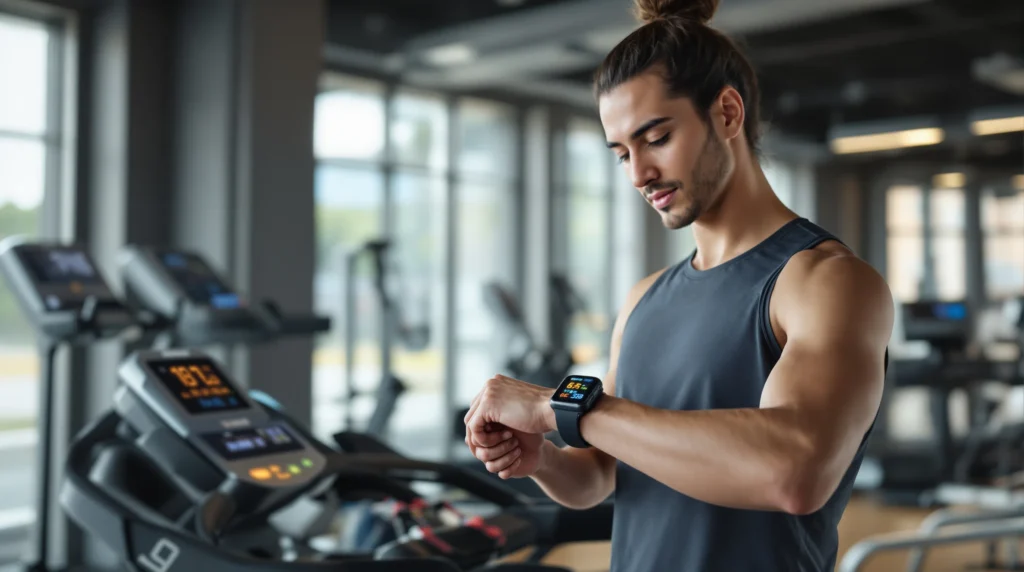
Picture this: You’re halfway through a run, sweat stinging your eyes, lungs burning, and your wrist buzzes. Your heart rate just hit a new high. You slow down, catch your breath, and your fitness gadget cheers you on with a digital badge. That tiny vibration? It’s not just data—it’s motivation, a nudge that keeps you moving when your willpower wobbles. If you’ve ever wondered why some people stick to their workouts while others fade out, fitness gadgets might be the secret sauce.
Why Fitness Gadgets Matter More Than Ever
Let’s be honest. Most of us have started a workout plan with the best intentions, only to lose steam after a week or two. Fitness gadgets change that. They turn invisible progress into something you can see, touch, and brag about. Whether you’re a weekend warrior or a couch-to-5K hopeful, these devices make your effort real. They track your steps, calories, sleep, and even your mood. Suddenly, you’re not just guessing—you’re measuring.
Here’s the part nobody tells you: The real power of fitness gadgets isn’t in the numbers. It’s in the way they make you feel seen. When your watch buzzes after 10,000 steps, it’s like a tiny high-five. That’s addictive. And it works.
Types of Fitness Gadgets You’ll Actually Use
Not all fitness gadgets are created equal. Some collect dust in drawers. Others become as essential as your sneakers. Let’s break it down:
- Fitness Trackers: Think Fitbit, Garmin, or Xiaomi. These slim bands count steps, monitor heart rate, and track sleep. They’re perfect for anyone who wants to see progress at a glance.
- Smartwatches: Apple Watch and Samsung Galaxy Watch do everything a tracker does, plus notifications, music, and even phone calls. If you want one device for everything, start here.
- Smart Scales: These scales measure weight, body fat, muscle mass, and more. They sync with your phone, so you can spot trends over time.
- Wireless Earbuds: Not just for music—some, like Jabra Elite Sport, track your heart rate and coach you through workouts.
- Connected Home Gym Equipment: Peloton bikes, Mirror, and Tonal bring studio workouts to your living room, complete with real-time feedback.
If you’re overwhelmed by choices, start simple. A basic fitness tracker can change your habits more than you think.
How Fitness Gadgets Motivate You (Even When You’re Tired)
Ever skipped a workout because you “just didn’t feel like it”? You’re not alone. Fitness gadgets use psychology to keep you moving. Here’s how:
- Instant Feedback: See your heart rate spike? You know you’re working hard. Hit your step goal? You get a digital trophy. These micro-rewards add up.
- Accountability: Many gadgets let you share progress with friends. Suddenly, skipping a workout means letting your buddy down. That’s powerful.
- Habit Building: Daily reminders and streaks turn exercise into a game. Miss a day, and you break the chain. Nobody wants that.
- Personalization: The best fitness gadgets learn your patterns. They nudge you when you’re slacking and celebrate when you improve.
Here’s why this matters: Motivation fades, but habits stick. Fitness gadgets help you build those habits, one buzz at a time.
What Nobody Tells You About Fitness Gadgets
Let’s get real. Fitness gadgets aren’t magic. They won’t drag you out of bed or do the push-ups for you. I once bought a fancy tracker, wore it for a week, then forgot it in a drawer. The problem wasn’t the gadget—it was me. I expected instant results. But here’s the truth: Fitness gadgets work when you use them as tools, not crutches.
If you’re the type who loves data, you’ll thrive. If you hate numbers, focus on the basics—like step counts or reminders to move. Don’t let the tech overwhelm you. Use what helps, ignore the rest.
Who Should Use Fitness Gadgets (And Who Shouldn’t)
Fitness gadgets aren’t for everyone. If you love tracking progress, setting goals, and seeing your stats, you’ll get hooked. If you get anxious about numbers or feel pressured by constant reminders, you might want to skip them. Here’s a quick test:
- Great for: People who want motivation, love data, or need accountability.
- Not for: Anyone who gets stressed by numbers or prefers to exercise for fun, not stats.
If you’re not sure, borrow a friend’s device for a week. See how it feels. No pressure.
How to Get the Most Out of Your Fitness Gadgets
Ready to make your fitness gadgets work for you? Here are some tips:
- Set Realistic Goals: Don’t aim for 20,000 steps if you’re just starting. Small wins build confidence.
- Sync Regularly: Connect your gadget to your phone or computer. Watching your progress over time is motivating.
- Join Challenges: Many apps offer group challenges. Compete with friends or strangers for extra motivation.
- Listen to Your Body: Gadgets are smart, but you know your limits. Rest when you need to.
- Celebrate Progress: Hit a milestone? Treat yourself. Progress deserves a reward.
Next steps: Pick one feature to focus on this week. Maybe it’s tracking sleep, or hitting a step goal. Build from there.
Fitness Gadgets: The Future Is Personal
Fitness gadgets keep getting smarter. Some now track blood oxygen, stress, and even hydration. Others use AI to suggest workouts based on your mood and energy. The future? It’s all about personalization. Your device will know when you need a push—and when you need a break.
If you’ve ever struggled to stick with a workout, fitness gadgets can help. They won’t do the work for you, but they’ll make the journey more fun, more social, and a lot more rewarding. The best part? You don’t need the fanciest device. Start with what you have, build the habit, and let the gadgets do the cheering.
So, next time your wrist buzzes, remember: That’s not just a notification. It’s a tiny reminder that you’re moving, you’re improving, and you’re not alone. And sometimes, that’s all you need to keep going.