
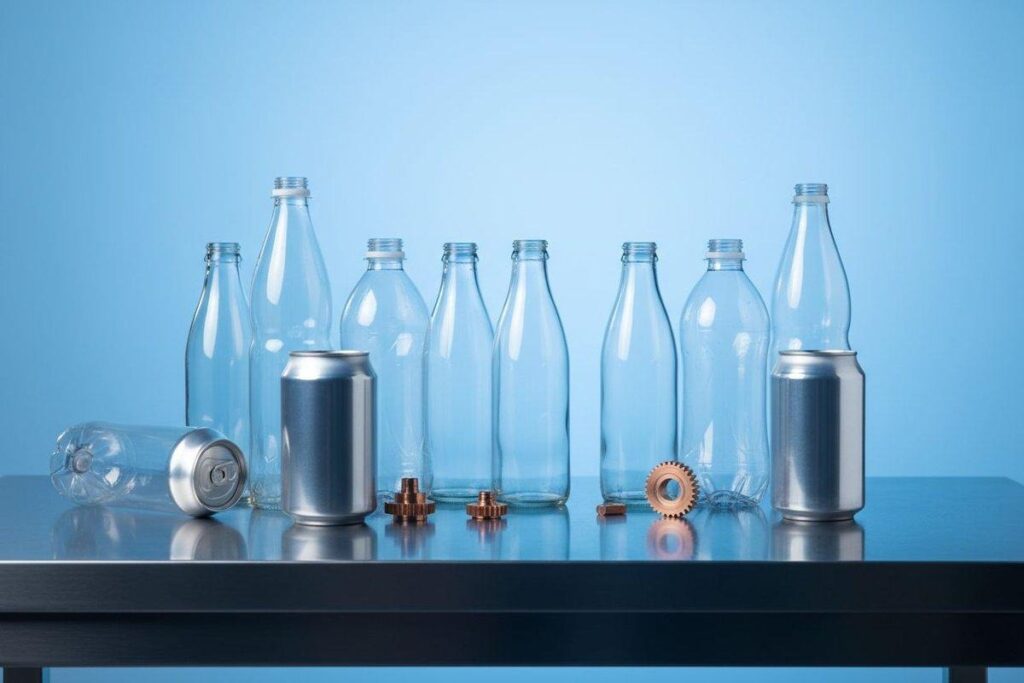
Selecting the optimal packaging format for your beverage product is one of the most consequential decisions a producer will make. The choice between aluminum cans, glass bottles, and PET containers affects everything from production costs and shelf life to brand positioning and environmental credentials. As consumer preferences evolve and sustainability pressures intensify, understanding the nuanced advantages of each format has never been more critical.
This comprehensive comparison examines the three dominant packaging formats across key beverage categories, helping manufacturers make informed decisions that align with their production capabilities, target markets, and long-term business objectives.
Aluminum Cans: The Lightweight Champion
Aluminum cans have experienced a remarkable renaissance over the past decade, driven by craft beverage producers and sustainability-conscious brands. The format now commands significant market share across beer, carbonated soft drinks (CSD), energy drinks, and increasingly, still water and ready-to-drink cocktails.
The advantages of aluminum are substantial. Cans provide complete light protection, eliminating the risk of light-struck flavors that can plague beer and certain juices. Their hermetic seal ensures excellent oxygen barrier properties, typically delivering shelf life of 12-18 months for most beverages. The lightweight nature of aluminum—approximately 15 grams per 330ml can—translates to reduced transportation costs and lower carbon emissions during distribution.
From a production perspective, modern canning lines offer impressive throughput. Entry-level rotary systems handle 6,000-12,000 cans per hour, while high-speed installations exceed 100,000 cans per hour. The relatively compact footprint of canning equipment makes it attractive for craft producers and contract packagers alike. European manufacturers, particularly those emerging from Poland and Central Europe, have developed highly competitive canning systems that rival established Western brands in precision and reliability while offering more accessible price points.
The primary drawback remains the perception challenge in premium segments. Despite significant progress, some consumers still associate cans with mass-market products, though this bias is rapidly diminishing among younger demographics.
Glass Bottles: Premium Positioning and Tradition
Glass remains the gold standard for premium beverages, particularly in wine, craft spirits, and artisanal soft drinks. Its inert nature means zero flavor transfer, making it ideal for products where taste integrity is paramount. Glass also offers unmatched shelf appeal—the weight, clarity, and tactile quality communicate premium positioning in ways other formats struggle to replicate.
For carbonated beverages, glass provides excellent pressure resistance and maintains carbonation effectively over extended periods. Beer packaged in amber glass benefits from UV protection, though clear and green glass variants require additional considerations for light-sensitive products.
Glass bottling machinery range from semi-automatic systems processing 1,000-3,000 bottles per hour to fully automated installations exceeding 60,000 bottles per hour. The equipment typically includes rinsers, fillers, cappers or corkers, and labeling systems. Modern glass filling technology has achieved remarkable precision, with volumetric and gravimetric systems delivering accuracy within ±1ml even at high speeds.
The challenges with glass are well-documented: weight increases transportation costs significantly, breakage rates add to operational expenses, and the energy-intensive manufacturing process raises sustainability questions. However, glass’s infinite recyclability and established collection infrastructure partially offset these concerns in markets with mature recycling systems.
PET Bottles: Versatility and Cost Efficiency
Polyethylene terephthalate (PET) bottles dominate the bottled water and CSD markets, offering an unbeatable combination of low weight, shatter resistance, and production economics. Modern PET technology has expanded the format’s applicability to include hot-fill juices, dairy alternatives, and even beer in certain markets.
PET’s versatility extends to bottle design—blow molding allows virtually unlimited shape possibilities, enabling distinctive brand differentiation. Production can be integrated with blow-fill systems that manufacture bottles on-site from preforms, reducing logistics costs and storage requirements. These integrated systems are particularly popular among high-volume water and soft drink producers.
Filling speeds for PET lines are impressive, with rotary systems commonly achieving 20,000-50,000 bottles per hour and premium installations exceeding 80,000 bottles per hour. European equipment manufacturers have made significant strides in this sector, with Polish and Czech producers developing sophisticated blow-fill-cap systems that compete effectively with traditional market leaders from Germany and Italy.
The sustainability narrative around PET has evolved considerably. While single-use plastic concerns persist, advances in recycled PET (rPET) content—now reaching 100% in some applications—and improved collection rates have strengthened the format’s environmental credentials. Lightweighting initiatives have reduced material usage by up to 40% over the past two decades.
Matching Format to Beverage Category
The optimal packaging choice varies significantly by product type:
- Beer: Cans excel for freshness-sensitive styles like IPAs and lagers, while glass maintains relevance for premium and traditional segments. PET remains limited to specific markets and price points.
- Carbonated Soft Drinks: PET dominates larger formats (500ml+), while cans lead in single-serve convenience channels. Glass persists in premium and on-premise applications.
- Bottled Water: PET commands the mass market, with glass serving premium still and sparkling segments. Canned water is emerging as a sustainability-focused alternative.
- Juices and Nectars: Hot-fill PET and glass suit ambient distribution, while cans require aseptic processing but offer superior shelf life and light protection.
Cost per unit varies considerably based on volume, with cans typically ranging from €0.05-0.12, PET from €0.03-0.10, and glass from €0.08-0.25, depending on specifications and procurement volumes.
The Future of Beverage Packaging
The packaging landscape continues to evolve rapidly. Sustainability regulations, particularly in the European Union, are reshaping format economics through extended producer responsibility schemes and recycled content mandates. Consumer preferences increasingly favor formats with clear environmental credentials, though convenience and price sensitivity remain powerful purchase drivers.
Technological advances are blurring traditional format boundaries. Barrier coatings are extending PET’s applicability to oxygen-sensitive products, while aluminum bottle-cans combine the premium aesthetics of glass with the practical advantages of metal. Digital printing technologies are enabling unprecedented customization across all formats.
For beverage producers evaluating their packaging strategy, the decision ultimately hinges on product requirements, target market positioning, production scale, and sustainability commitments. Working with experienced equipment suppliers—including the growing number of quality-focused European manufacturers offering competitive alternatives to traditional market leaders—ensures access to technology that maximizes the advantages of your chosen format while minimizing operational complexity.
The most successful producers increasingly adopt multi-format strategies, leveraging different packaging types for different channels and occasions. This flexibility, supported by versatile filling and packaging equipment, positions brands to respond effectively to shifting consumer preferences and regulatory requirements in the years ahead.