
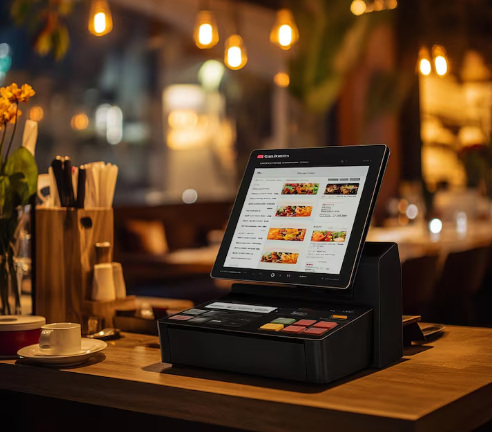
In a restaurant environment, operational risk isn’t just a buzzword; it’s a real factor that impacts staff performance, guest satisfaction, revenue flow, and brand reputation.
From order errors and downtime to inconsistent reporting and security vulnerabilities, risks can emerge from multiple points in daily operations.
A reliable point-of-sale (POS) platform plays a crucial role in mitigating these risks. When your POS system is stable, secure, and well integrated, it acts as the backbone of your operations, ensuring that every touchpoint, from order taking to fulfillment, works predictably and efficiently.
In this article, we explore practical ways a dependable POS reduces risk and supports smoother, more secure restaurant operations.
Why Operational Risk Matters In Restaurants
Operational risk refers to the potential for loss resulting from ineffective processes, system failures, human errors, or external disruptions. In restaurants, this might manifest as:
- Incorrect orders due to communication gaps
- Slow service times during peak hours
- Data discrepancies across reports
- Payment security vulnerabilities
- System outages that halt sales
A strong POS platform doesn’t eliminate every risk, but it significantly reduces the likelihood and impact of these challenges.
Choosing A Stable Restaurant POS Platform
At the core of operational risk reduction is choosing the right technology. A modern, cloud-based restaurant pos system provides stability, real-time data syncing, and remote accessibility that legacy systems lack.
Cloud POS platforms centralize data and reduce dependency on on-site hardware. This means:
- Software updates are applied automatically
- Data syncs instantly across devices and locations
- Remote access allows leadership to monitor performance and resolve issues quickly
Reliability translates to fewer surprises and more predictable performance, especially during busy service periods.
Reducing Service Errors With Better Kitchen Communication
Order accuracy is a major operational risk, especially when communication between front and kitchen is unclear. Manual processes, handwritten tickets, or disconnected systems increase the chance of mistakes.
Integrating the POS with a digital kitchen display system brings clarity and consistency to back-of-house workflows. Orders are transmitted electronically and displayed clearly to kitchen staff, reducing misunderstandings and speeding preparation times.
This direct communication minimizes errors that can lead to customer complaints, wasted food, and increased costs.
Keeping Drive-Thru Operations Synchronized
Drive-thru service is a high-risk area if systems aren’t tightly integrated. Miscommunication between the order point and the kitchen or POS can slow throughput, create order errors, and frustrate guests.
Integration with a reliable drive thru system connects drive-thru headsets and order points directly with your POS and kitchen workflows.
This reliable integration enables:
- Accurate order capture and transmission
- Faster service with fewer mistakes
- Consistent pricing and menu information
When the drive-thru operates smoothly, guest satisfaction increases, and operational stress decreases.
Ensuring Continuous Operations With Uptime Protection
Downtime is one of the most significant operational risks a restaurant faces. A POS outage during peak hours can halt sales, create queues, and frustrate guests.
Reliable POS solutions offer multiple layers of protection, including:
- An offline mode that allows continued order processing during internet outages
- Redundant systems to prevent data loss
- Automatic data sync once connectivity is restored
These protections ensure that your operations keep running even when external systems experience disruptions.
Enhancing Security And Compliance
Security risk is another area where a strong POS platform pays dividends. Modern cloud POS solutions often include:
- End-to-end encryption
- Secure payment processing
- Role-based user permissions
- Compliance with industry standards
By managing access and protecting payment data, a reliable POS reduces the likelihood of data breaches and builds trust with guests.
Standardization And Control Across Locations
For multi-location brands, inconsistent processes across stores create operational risk. Variations in menus, pricing, reporting formats, or workflows complicate training, lead to errors, and create unreliable reporting.
Centralized POS management enables consistent configurations across all sites. Managers no longer need to rely on store-level settings that may diverge over time. This reduces the risk of discrepancies that cloud-based systems, including centralized menu and pricing controls, help eliminate.
Simplifying Training And Reducing Human Error
Human error is a common source of operational risk. A POS that is intuitive and standardized helps reduce mistakes made by staff, especially during busy periods.
Consistent interfaces across terminals and devices mean less time spent training and fewer mistakes during service. This leads to fewer incorrect orders, faster check-out, and a smoother guest experience.
Proactive Monitoring And Alerts
Advanced POS systems offer real-time monitoring, alerts, and automated reporting that enable you to catch issues before they escalate. Whether it’s unusual sales dips, inventory discrepancies, or unusual access attempts, proactive alerts help managers act quickly.
Final Thoughts
Operational risk can arise from many sources in a restaurant, but a reliable POS platform mitigates many of the most common ones. By choosing a stable, cloud-connected system that integrates with kitchen displays, drive-thru tools, and other critical technology, operators can reduce errors, maintain service velocity, improve reporting accuracy, and strengthen security.
Operational confidence comes from technology that performs predictably under pressure and a trusted POS platform provides the foundation needed for consistent, low-risk restaurant operations.