
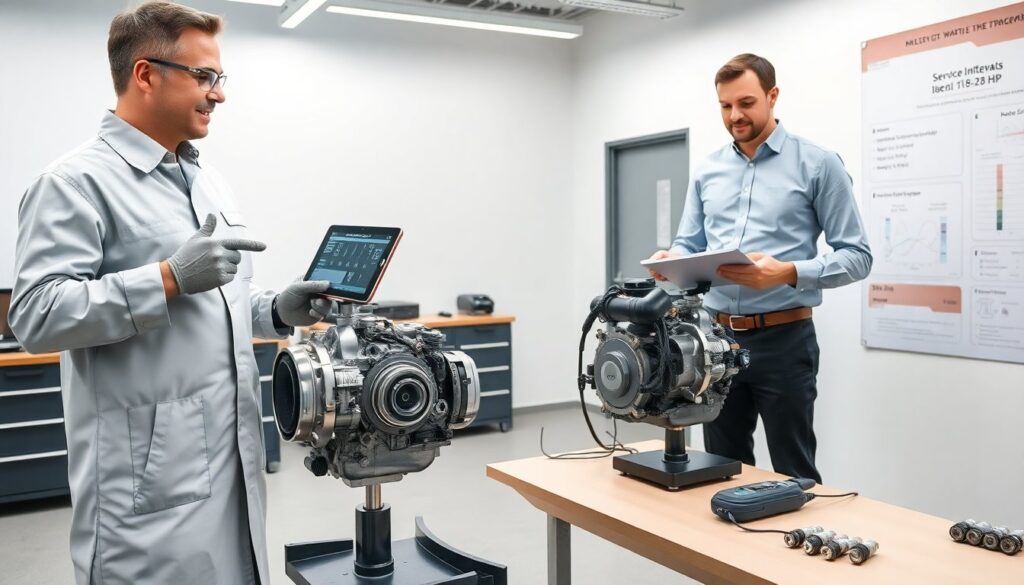
The caloden gelnok shortengine serves as a compact power unit for small vehicles and equipment. It delivers high torque and low fuel use in tight spaces. Engineers choose the caloden gelnok shortengine where weight, size, and reliable start matter. This guide states what it does, how it performs, and how to keep it running.
Key Takeaways
- The caloden gelnok shortengine is a compact, high-torque engine ideal for small vehicles and equipment where space and weight are limited.
- It delivers 18 to 28 horsepower with efficient fuel consumption and meets Euro 5 emissions standards, making it a reliable and eco-friendly choice.
- Maintenance for the caloden gelnok shortengine includes regular oil changes, air filter replacements, and valve checks to ensure longevity and performance.
- Common issues like hard starts and rough idling can often be fixed by owners, but complex repairs such as timing chain servicing require professional attention.
- Its modular design allows quick replacement and service, reducing downtime for fleet operators and hobbyists alike.
What The Caloden Gelnok ShortEngine Is And When To Use It
The caloden gelnok shortengine is a short-stroke internal combustion unit. It fits into compact chassis and small tool frames. Designers use the caloden gelnok shortengine in light utility vehicles, portable generators, and small agricultural machines. The engine packs concentrated torque into a small block. It starts quickly in cold weather and it revs smoothly under load. Users pick the caloden gelnok shortengine when they need power where space limits placement.
The caloden gelnok shortengine uses a four-valve head and a reinforced crank. These parts reduce vibration and extend life. The engine runs on regular gasoline or optimized blends. Its fuel map aims to cut idle burn and preserve torque at low rpm. Service teams value the accessible filter and modular sensors. Field teams swap the caloden gelnok shortengine quickly when downtime matters.
The caloden gelnok shortengine suits both hobbyists and fleet operators. Hobbyists fit it into custom builds because the unit balances cost and output. Fleet operators use it to reduce curb weight and boost payload. The engine also works for retrofit projects where the chassis cannot accept a full-size motor.
Key Specifications, Performance Metrics, And Typical Applications
The caloden gelnok shortengine offers 18 to 28 horsepower depending on tune. It delivers 35 to 50 Nm of torque at 2,500 rpm in standard form. Peak power appears near 5,800 rpm for tuned variants. The engine weighs 34 to 46 kg, which helps reduce system mass. The unit measures about 42 cm by 28 cm by 30 cm in its common layout.
Fuel consumption for the caloden gelnok shortengine averages 320 to 380 g/kWh under steady loads. Emissions meet Euro 5 limits in modern trims. The engine uses a single direct injector and a compact turbo on higher-output models. These choices improve throttle response and low-end pull.
Technicians install the caloden gelnok shortengine in small tractors, urban delivery vehicles, and backup power modules. Manufacturers prefer the engine for microtrucks and light construction gear. The unit also fits marine auxiliary systems and mobile compressors. The small size helps in designs where a larger engine would force a new chassis layout.
Operators report that the caloden gelnok shortengine reduces total system weight by 8–12% compared with older compact engines. This reduction increases range for electric-hybrid systems and improves handling in light vehicles. The engine pairs well with automatic transmissions and CVTs because it sustains torque at low rpm.
Maintenance, Troubleshooting, And Common Repairs
Routine service keeps the caloden gelnok shortengine reliable. Owners change oil every 5,000 km or six months. They replace the air filter at 10,000 km and the spark plugs at 20,000 km. They check valve clearance at 40,000 km. Technicians inspect the timing chain and tensioner at 80,000 km.
The caloden gelnok shortengine uses accessible panels for filter and spark plug swaps. This design cuts service time and reduces labor cost. Owners should use the specified oil grade and a high-quality filter. They should also use factory software for ECU updates. ECU updates improve fuel mapping and resolve minor misfire triggers.
Common faults for the caloden gelnok shortengine include hard start, rough idle, and minor oil leaks. Hard start often stems from a weak fuel pump or fouled injector. Rough idle often comes from a dirty throttle body or a failing ignition coil. Minor oil leaks often appear at the valve cover gasket or oil pan gasket. Technicians diagnose these faults with a scan tool and a pressure check.
Repair times vary. A spark plug or filter swap takes 20 to 40 minutes. A fuel pump replacement takes 1.5 to 3 hours. A timing chain service takes 4 to 6 hours. Repair shops keep common caloden gelnok shortengine parts in stock because the unit sees steady demand.
Quick Fixes And When To Seek Professional Service
Owners can handle simple fixes on the caloden gelnok shortengine. They can swap the air filter, change oil, and replace spark plugs with basic tools. They can clean the throttle body and check battery voltage. These actions often restore normal idle and start behavior.
Owners should visit a professional when the engine shows persistent misfire, large oil loss, or abnormal noise from the timing cover. Professionals should handle timing chain work, injector replacement, and ECU reprogramming. These repairs require special tools, calibration, and safety steps. A trained mechanic will ensure the caloden gelnok shortengine returns to safe operation.